 Sebastien, the Homestead guard dog.
Tuesday, May 25, 2010

Saturday, May 22, 2010
トマト植えとクイズ Planting tomato and quiz
A few days ago Yuriko gave me 3 Japanese tomato starts. 2 Momotaro (Peach Boy) and one Odoriko. She told me that Momotaro is one of her favorite tomatos, and knowing her as a gardener and cook, I trust her judgment. I like black and wine colored tomatoes a lot, and one of the ones I had fun growing in Costa Rica was Tommy Toe from Seed Saver Exchange. Huge loads of very large cherry tomatoes. I'm a fan of cherry tomatoes.
数日前ゆりこさんから日本産のトマトの苗を頂きました。彼女お勧めの桃太郎2つに踊り子1つ。僕は黒やワイン色のトマトが大好きです。西海岸ではブランディーワインという種類が人気です。コスタリカでNPO Seed Saver Exchangeが販売しているトミトーというミニトマトに惚れました。大きな梅/アプリコットの大きさで大量に収穫できます。どちらかというとミニトマトを育てる方がお手軽なので好きです。
For tantalizing tomato varieties and pictures see the SSE site (below)
下のリンクで美味しくて美しいトマトのあらゆる種類を官能してみてください。
http://www.seedsavers.org/Items.aspx?hierId=43
Sam suggested to plant the tomato into 50% one year old steer manure that he got, and 50% soil mix (made on-site) for drainage. Both Sam and Doug mentioned that tomatoes grow in straight manure and even sewage sludge.
サムにトマトの植え方を聞いた所、近所から持って来た一年ものの馬糞50%に水はけのために土50%混ぜたら良いと言われました。トマトは糞100%でも下水泥状物でも元気に育つとサムもダグも話してました。
The tomatoes on the site here are grown in pots in the green house or in a garden bed with a hoop-house over it.
ここでは、トマトを大きな鉢に植えて温室で育てるか、ポリトンネンルを被せた畝に植えています。
 (Front Row: Momotaro, Momotaro, Odoriko)
QUIZ
Where did tomatoes originate? What kind of environment did they initially come from?
トマトはもともとどこで発生していたのでしょうか?そこはどのような環境ですか?
What are dry farmed tomatoes?
They tend to be much more flavorful, I love them.
ドライ・ファーム(乾地農法?)トマトとはどういう意味なのか?
味が凝縮していてとっても美味しいです。
What are the top 3 tomato producing countries?
トマトの三大生産国はどこか?
How did tomatoes become such a key ingredient in Italy?
なぜイタリア料理でトマトが中心的な存在になったのでしょうか?
数日前ゆりこさんから日本産のトマトの苗を頂きました。彼女お勧めの桃太郎2つに踊り子1つ。僕は黒やワイン色のトマトが大好きです。西海岸ではブランディーワインという種類が人気です。コスタリカでNPO Seed Saver Exchangeが販売しているトミトーというミニトマトに惚れました。大きな梅/アプリコットの大きさで大量に収穫できます。どちらかというとミニトマトを育てる方がお手軽なので好きです。
For tantalizing tomato varieties and pictures see the SSE site (below)
下のリンクで美味しくて美しいトマトのあらゆる種類を官能してみてください。
http://www.seedsavers.org/Items.aspx?hierId=43
Sam suggested to plant the tomato into 50% one year old steer manure that he got, and 50% soil mix (made on-site) for drainage. Both Sam and Doug mentioned that tomatoes grow in straight manure and even sewage sludge.
サムにトマトの植え方を聞いた所、近所から持って来た一年ものの馬糞50%に水はけのために土50%混ぜたら良いと言われました。トマトは糞100%でも下水泥状物でも元気に育つとサムもダグも話してました。
The tomatoes on the site here are grown in pots in the green house or in a garden bed with a hoop-house over it.
ここでは、トマトを大きな鉢に植えて温室で育てるか、ポリトンネンルを被せた畝に植えています。
 (Front Row: Momotaro, Momotaro, Odoriko)
QUIZ
Where did tomatoes originate? What kind of environment did they initially come from?
トマトはもともとどこで発生していたのでしょうか?そこはどのような環境ですか?
What are dry farmed tomatoes?
They tend to be much more flavorful, I love them.
ドライ・ファーム(乾地農法?)トマトとはどういう意味なのか?
味が凝縮していてとっても美味しいです。
What are the top 3 tomato producing countries?
トマトの三大生産国はどこか?
How did tomatoes become such a key ingredient in Italy?
なぜイタリア料理でトマトが中心的な存在になったのでしょうか?
Friday, May 21, 2010
Tranformation: farming with fashion

Coming to the Bullocks is a transformative experience. Life-changing. For example, this homeless-looking dirty young man has turned into a clean hardworking happy gardener fit to be an acceptable participant of normal society. Come to the Bullocks and you will be prepared to sneak back into the mainstream and become a covert Permaculture operative. Spread the seeds of creativity and nourishment.

これからの時代は、ファションセンスを鍛える農業。やっぱり農はかっこいい!
西洋桑で畝の間の草かり!僕は今日、ニラの種をまいて、40日で実がなるゴーヤの種と姫大根の種をゆりこさんから頂きました。こんな寒い所でゴーヤに成功するのでしょうか?
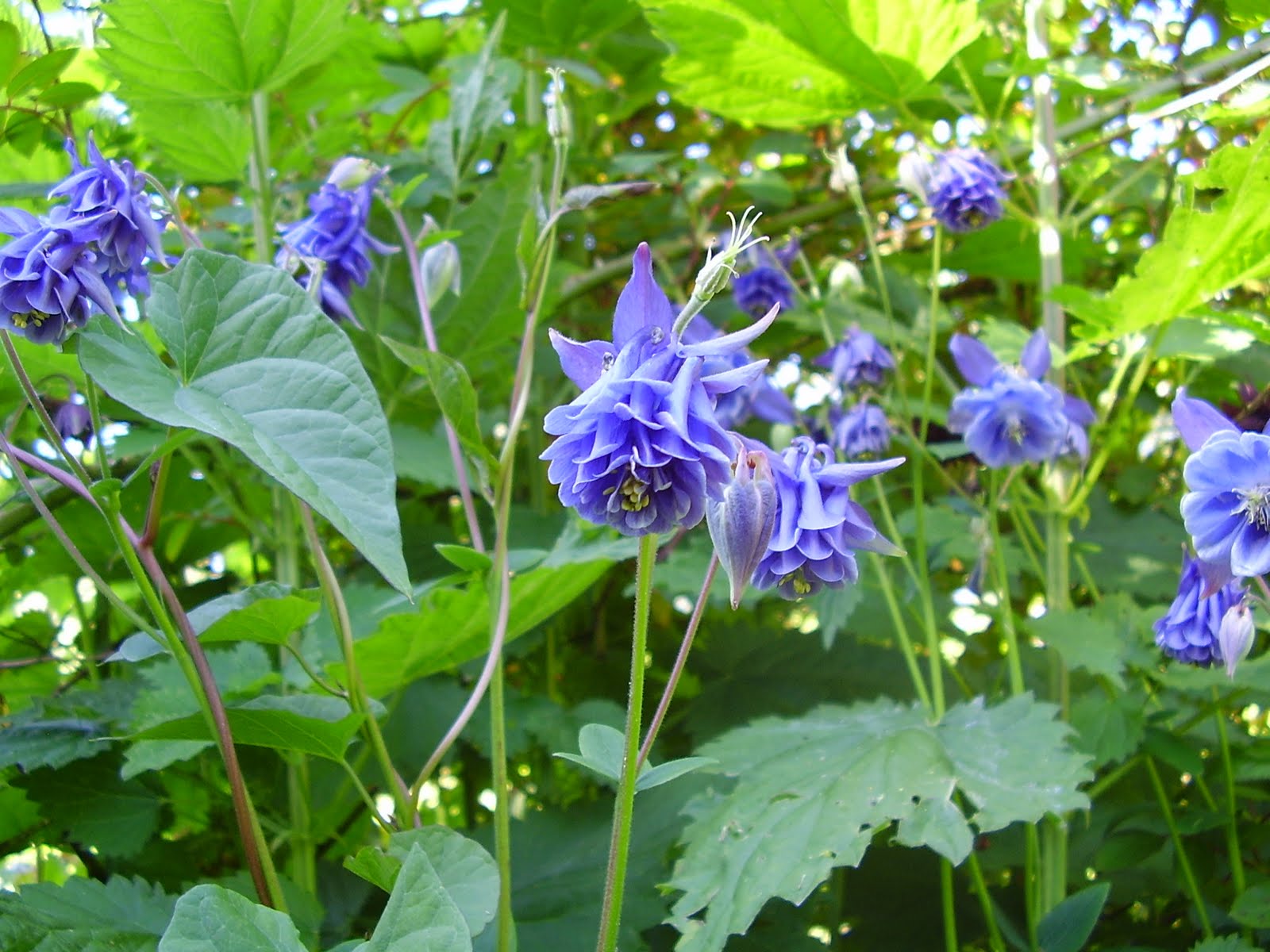
お花 Flowers
I've been appreciating the abundant beautiful flowers that I am immersed in. So trippy and alluring. I hope some of my amazement will translate through the limits of blogging. You can click on any of the pictures on the blog and I think they will enlarge. Yes flowers! And what are those exciting things that follow flowers! Bees! Yes, that's cool but something that happens after the bees hang out and pollinate. Fruits and nuts and seeds! Yeah! Thus, much appreciation to the existence of flowers. I feel blessed to be in a world with flowers.
By the way, the Japanese word for flower is ohana (read phonetically). In Hawaiian, ohana means family (not limited to blood/legal family).
最近は自分の周りに咲き乱れるお花達に感動しています。毎日生命感で輝くお花に吸い寄せれてしまう感じです。道の真ん中でぼーっと立派なお花の塊を見ていたりしています。お花最高!と言わんばかりに。(写真にクリックをすると多分拡大されます)本物をこうやってブログに載せても感動が伝わらないかもしれないので、是非近くで咲いているお花と時間を過ごしてみてください。1分でも5分でも。毎日お花見をする生き方をお勧めします。お花の後にやってくるワクワクする物体は....蜂!ま、それも好きだけど、蜂達が花粉を移動してから現れるものは果物!に木の実!に種!お花達に感謝。お花に囲まれた生活に毎日感謝しています。
因に、ハワイアン(ハワイ語)でオハナは家族という意味。血のつながりや法律上の家族だけではなく、精神的なつながりのある人すべてを差します。


Yup. Thats James, Lover of food and excitement. A stimulator. He sort of just pops up like that. He might keep appearing on the blog. He's that sort of guy. Tahini.
ジェームズ。なかなかキャラがこい一番若い研修生。とにかくハイテンションでとってもポジティブ。食べ物愛好家。
By the way, the Japanese word for flower is ohana (read phonetically). In Hawaiian, ohana means family (not limited to blood/legal family).
最近は自分の周りに咲き乱れるお花達に感動しています。毎日生命感で輝くお花に吸い寄せれてしまう感じです。道の真ん中でぼーっと立派なお花の塊を見ていたりしています。お花最高!と言わんばかりに。(写真にクリックをすると多分拡大されます)本物をこうやってブログに載せても感動が伝わらないかもしれないので、是非近くで咲いているお花と時間を過ごしてみてください。1分でも5分でも。毎日お花見をする生き方をお勧めします。お花の後にやってくるワクワクする物体は....蜂!ま、それも好きだけど、蜂達が花粉を移動してから現れるものは果物!に木の実!に種!お花達に感謝。お花に囲まれた生活に毎日感謝しています。
因に、ハワイアン(ハワイ語)でオハナは家族という意味。血のつながりや法律上の家族だけではなく、精神的なつながりのある人すべてを差します。




ジェームズ。なかなかキャラがこい一番若い研修生。とにかくハイテンションでとってもポジティブ。食べ物愛好家。
Tuesday, May 18, 2010
植物クイズ Plant Quiz 4

Hint: The ground seeds are an awesome seasoning for fresh water eel (best braised over wood coals).
ヒント:この植物の実と昆布の佃煮は最高に合います!一度小豆島を自転車で走ってたら、佃煮屋さんを見つけて、そこで始めて味見をしました。今まで食べた佃煮の中で一番美味しかったです。椎茸も入っていたかもしれません。分からない方は、英語のヒントを読めばすぐに分かると思います。
Recent scenes from the Bullocks

 Croissant making or as Dave calls them, Butter Horns. Made with local fresh raw butter. mmmm.
クロワッサン作り!美味しそう。残念ながら今は小麦粉が食べられないのでパス。でもやっぱり食べたいから再来週まで一つ冷凍する事にしました。焼きたてが食べたかったな〜。今度作ろ〜っと。バターは、近所の新鮮なオーガニック生バターを使っていました。
 The Beer Brewers Annonymous Club. Surprisingly there is not much alcohol drinking in this group.....but maybe that might change.
ビール作り屋達。研修生の殆どはあまりのまず、何人かが週一回ぐらい飲む珍しい若者達です。僕ももう一年以上前にお酒は飲まなくなりましたが、こんなに飲まない人達といるのも不思議です。この自家製ビールで状況が変わるかもしれませんが。
研修生の一週間
僕たちの一週間のスケジュールにはそれなりの自由があります。スケジュールされている日、金曜日から月曜日までは朝ご飯が7:30からで、お昼は12:30、晩ご飯は6:30です。研修生が交代しながら作っていて、びっくりするほど時間通りです。町に住んでいた頃は、晩ご飯を9じから夜中の間に食べていた頃を比べてしまいます。ご飯を消化してから寝るのが健康的と言いますよね。
研修生のスケジュール
金曜日:ファーム週間の始まり。
理想的には8:30にブロックスと研修生でアロハロッジに集まって、白版を見ながらやらないと行けない事を挙げていきます。常にやる事は山ほどあるので、経験豊富のここの住民ブロックス兄弟が優先順位を決めていくのです。そして、一、二時間後に作業に取りかかります。例えば、ジャガイモを植え、電気フェンスを使ったアヒルや鶏トラクターの移動、接ぎ木、剪定、ソーラーポンプの修理、車の整理などなど。その日その日によります。だいたい晩ご飯まで続けますが、晩ご飯後も作業を続ける研修生もいます。
土曜日:ナーサリー(種苗場)の日
ブロックスホームステッドのナーサリーは、ここで植える植物と販売している植物を育てています。研修生(一年以上ここにいる人)の一人が担当していて、この島のファマーズ・マーケット(農家市場?)やここから直接売っています。その収入はランド・ファンド(土地資金)となり、ブロックス・ホームステッドでのプロジェクトや道具などを買うための資金となります。基本的に収入は(多分)全てこの土地に投資されます。それは、ブロックス家族の生活、彼らの子供達(参加族の間で6人かな)、ここで勉強する研修生、また持続可能な生活のモデルへの投資だと僕は理解していています。過去のナーサリーの日には苗木の鉢植え、防鹿のフェンス立て、鉢に植えられた木の整備と有機肥料(蟹と鶏の糞)撒き、撒水システムの整備(水はブロックス・ホームステッドが共有している沼から来ていて、家庭用水は井戸から来ています)、雑草抜きなど。ワシントン州に住んでいる人ならここで植物を買う事をお勧めします。彼らは植物愛好家...いやマニアです。世界中のレア、機能的、最高に美味しいあらゆる多年草を専門に集めています。彼らの植物やミクロ気候の作り方や使い方に対する知識は凄いです。しかも、ここまで来て植物を買いにくれば、彼らのホームステッドを見学してここの豪華な食事にも参加ができますよ〜(その日によりますが)。ここには面白い人がいっぱいいますし。
日曜日:持ちよりパーティーの日
*パーマカルチャー・コースが行われている場合は中止
朝ご飯の後には大掃除をしてホームステッドをすっきりさせます。清潔で整理された所で生活するヒッピーの所の方が居心地よいですよね。ご飯に人を招くのなら掃除ぐらいするのはあたり前かもしれませんが。。。掃除の後は金曜日の集まりで決めたプロジェクトに進みます。例えば、先週の日曜日は新しいアウト・ハウス(野外トイレ)を作り始めました。今週末のパーマカルチャー入門コースに備えて、町から来た人達でも気楽に使えるものを作っています。時には午後をガーデニングの時間に割り当てます。
月曜日:予備日
終わらなかったプロジェクのの続きなど。昨日は、アウト・ハウス作りの続きをしました。大工経験のある研修生はさっさと進みましたが、僕みたいにまだ道具の上手な使い方を学んでいるような人達はカタツムリ・スピードでした。
夜には研修生の集会があり、呼吸を整えながら、研修生全員で決めないと行けない事や生活をより心地よくするための提案などをします。食料の注文もこのとき行われます(先週は一ヶ月分の食料を注文して$800も使いました!注文するもの殆どはオーガニックなので倍以上お金がかかります。)。その他、スキル・シェア(何か特殊な技を教える行事)もやっています。例えば、最初のスキル・シェアでは、僕が専門としていた効果的な集会のファシリテーションについて教えました。他には、ここでよく使う紐の結び方、タイマッサージ、又南極での温室を担当していた人のプレゼンテーションもありました。
この集会で僕が一番大切だと思っている行事は、チェック・インの時間です。この時、一人ずつその週の感想や悩み、喜び、必要な事、期待などについて話します。このような空間は集団生活に欠かせないものだと思います。個人と団体のバランスと成長につながると僕は考えていています。
今日の集会は20分間のマッサージ・パーティーで始めました。みんな大工作業で体が疲れていたので、とても良い企画でした。みんな結構マッサージが上手で良かったです。ビジネスマンや政治家もミーティングの最初にマッサージをし合えば、より利口で平和な結論に到達すると僕は思うのですが。。。
火曜日:自由(予定のない)日
この日は基本的に好きな事ができるので、休んだり、お金を稼ぎに働いたり、食べたり、「町」やフェリーで他の所に出かけたり、個人プロジェクトをしたり、もっと食べたり、ハイキングなどなど。
水曜日:上と同じ
今までは、午後にゆりこさんの家でごちそうを頂いていました。これからは火曜日に変更されましたが。おいしい和食が食べれて幸せです。和菓子が恋しいですが。僕の大好物は、些々団子!
木曜日:またも上と同じ
夜には研修生が集まれば映画会を開催しています。今の所はコメディーを中心に見て来てます。今度、タンポポとAlways三丁目の夕日を見せたいと思っている所です。
そして、また楽しい勉強とプロジェクトの豊富な4日間が始まります。数日泊まりにくれば、僕たちと一緒にこの生活を体験する事ができますよ〜。
研修生のスケジュール
金曜日:ファーム週間の始まり。
理想的には8:30にブロックスと研修生でアロハロッジに集まって、白版を見ながらやらないと行けない事を挙げていきます。常にやる事は山ほどあるので、経験豊富のここの住民ブロックス兄弟が優先順位を決めていくのです。そして、一、二時間後に作業に取りかかります。例えば、ジャガイモを植え、電気フェンスを使ったアヒルや鶏トラクターの移動、接ぎ木、剪定、ソーラーポンプの修理、車の整理などなど。その日その日によります。だいたい晩ご飯まで続けますが、晩ご飯後も作業を続ける研修生もいます。
土曜日:ナーサリー(種苗場)の日
ブロックスホームステッドのナーサリーは、ここで植える植物と販売している植物を育てています。研修生(一年以上ここにいる人)の一人が担当していて、この島のファマーズ・マーケット(農家市場?)やここから直接売っています。その収入はランド・ファンド(土地資金)となり、ブロックス・ホームステッドでのプロジェクトや道具などを買うための資金となります。基本的に収入は(多分)全てこの土地に投資されます。それは、ブロックス家族の生活、彼らの子供達(参加族の間で6人かな)、ここで勉強する研修生、また持続可能な生活のモデルへの投資だと僕は理解していています。過去のナーサリーの日には苗木の鉢植え、防鹿のフェンス立て、鉢に植えられた木の整備と有機肥料(蟹と鶏の糞)撒き、撒水システムの整備(水はブロックス・ホームステッドが共有している沼から来ていて、家庭用水は井戸から来ています)、雑草抜きなど。ワシントン州に住んでいる人ならここで植物を買う事をお勧めします。彼らは植物愛好家...いやマニアです。世界中のレア、機能的、最高に美味しいあらゆる多年草を専門に集めています。彼らの植物やミクロ気候の作り方や使い方に対する知識は凄いです。しかも、ここまで来て植物を買いにくれば、彼らのホームステッドを見学してここの豪華な食事にも参加ができますよ〜(その日によりますが)。ここには面白い人がいっぱいいますし。
日曜日:持ちよりパーティーの日
*パーマカルチャー・コースが行われている場合は中止
朝ご飯の後には大掃除をしてホームステッドをすっきりさせます。清潔で整理された所で生活するヒッピーの所の方が居心地よいですよね。ご飯に人を招くのなら掃除ぐらいするのはあたり前かもしれませんが。。。掃除の後は金曜日の集まりで決めたプロジェクトに進みます。例えば、先週の日曜日は新しいアウト・ハウス(野外トイレ)を作り始めました。今週末のパーマカルチャー入門コースに備えて、町から来た人達でも気楽に使えるものを作っています。時には午後をガーデニングの時間に割り当てます。
月曜日:予備日
終わらなかったプロジェクのの続きなど。昨日は、アウト・ハウス作りの続きをしました。大工経験のある研修生はさっさと進みましたが、僕みたいにまだ道具の上手な使い方を学んでいるような人達はカタツムリ・スピードでした。
夜には研修生の集会があり、呼吸を整えながら、研修生全員で決めないと行けない事や生活をより心地よくするための提案などをします。食料の注文もこのとき行われます(先週は一ヶ月分の食料を注文して$800も使いました!注文するもの殆どはオーガニックなので倍以上お金がかかります。)。その他、スキル・シェア(何か特殊な技を教える行事)もやっています。例えば、最初のスキル・シェアでは、僕が専門としていた効果的な集会のファシリテーションについて教えました。他には、ここでよく使う紐の結び方、タイマッサージ、又南極での温室を担当していた人のプレゼンテーションもありました。
この集会で僕が一番大切だと思っている行事は、チェック・インの時間です。この時、一人ずつその週の感想や悩み、喜び、必要な事、期待などについて話します。このような空間は集団生活に欠かせないものだと思います。個人と団体のバランスと成長につながると僕は考えていています。
今日の集会は20分間のマッサージ・パーティーで始めました。みんな大工作業で体が疲れていたので、とても良い企画でした。みんな結構マッサージが上手で良かったです。ビジネスマンや政治家もミーティングの最初にマッサージをし合えば、より利口で平和な結論に到達すると僕は思うのですが。。。
火曜日:自由(予定のない)日
この日は基本的に好きな事ができるので、休んだり、お金を稼ぎに働いたり、食べたり、「町」やフェリーで他の所に出かけたり、個人プロジェクトをしたり、もっと食べたり、ハイキングなどなど。
水曜日:上と同じ
今までは、午後にゆりこさんの家でごちそうを頂いていました。これからは火曜日に変更されましたが。おいしい和食が食べれて幸せです。和菓子が恋しいですが。僕の大好物は、些々団子!
木曜日:またも上と同じ
夜には研修生が集まれば映画会を開催しています。今の所はコメディーを中心に見て来てます。今度、タンポポとAlways三丁目の夕日を見せたいと思っている所です。
そして、また楽しい勉強とプロジェクトの豊富な4日間が始まります。数日泊まりにくれば、僕たちと一緒にこの生活を体験する事ができますよ〜。
Sunday, May 16, 2010
A typical week at the Bullocks
Our typical weekly schedule
Breakfast is served by interns around 7:30, lunch at 12:30, and Dinner around 6:30pm. We're not always on schedule but I'm pretty surprised at how well we do follow a schedule. I used to eat dinner between 9pm or 12am when I lived in the city!
Here it goes:
*so much goes on that I forgot what we did, so I'll double check the examples here
FRIDAY: Our farm week (these are our "weekdays") begins.
We start out with a meeting ideally around 8:30 at the Aloha lodge figuring out what has been done and what needs to be added to our to-do list. The Bullocks usually keep us aware of needs and priorities. Then we just get into it. We have planted potatos, moved the electric fencing larger-scale chicken and duck tractors to new areas, grafted, pruned, fixed water pumps and solar panels, etc. It all depends on the week and there is no shortage of things to do.
SATURDAY: is Nursery Day.
The Bullocks have a nursery that helps fund permaculture and other basic projects on the site. One of the interns is the main manager of the nursery and sells the plants on-site and at Eastsound Farmer's Market. So, this is the day we help with the needs of the nursery (spread into several parts of the homestead). We have potted bare-root trees, put up a new nursery fence (to protect from deer), fertilized (organic) fruit trees and all sorts of other plants in the nursery, set irrigation up, weeded, mowed, etc. I'm super biased, but if you are in the area, this is the place to buy plants. These are some of the most nerdy and knowledgeable people on plants, micro-climates, and all sorts of serious and absurd stuff. Lots of the best fruit varieties (because they are super into it), rare plants (plant-maniacs), and amazing tips and tricks. Also, if you come to the site to buy plants, you can check this blissful place out! Some nights we do parties, usually in appreciation to the Bullocks, who invited us to live and learn on their home, and are welcoming, patient, and fascinating people. Great people to know and study under/with.
SUNDAY: Sunday is community potluck day (except when there is a course).
We start the morning with a cleaning party, and try to make the place look nice and tidy. You don't want to invite people to a hippy place thats dirty, it can ruin the experience. Then we jump into more stuff that needs to happen, like building projects and preparing for the Intro to Permaculture Course that will happen this weekend. Sometimes we take the afternoon to work on our gardens.
MONDAY: Overflow day.
We just keep going and finish up projects that need to happen, garden, and enjoy the last day of our farm days. Today we continued on necessary building projects. We also have weekly intern meetings after dinner where we breath together, address general logistics, do the food order (last week we order $800 worth of food for at least the next month), have a skill share or presentation (e.g. how to facilitate effective meetings, how to tie essential knots, Thai massage, living and managing a greenhouse in Antarctica, etc). Also, maybe the most important part of the meeting is a check-in. Its a space where the whole group listens to whatever you want to say, but usually geared toward how your week was, feelings and emotions, experiences, gratitude, needs, etc. Its a very beautiful space and I think not only helps groups function but it is also necessary for the evolution of people and communities. Today we started the meeting by grouping into pairs and doing a 7 minute massage that turned out to be 10 minutes each. What a great way to start a meeting. Imagine people in corporate board meetings giving massages to each other in their suits, and taking breaths to be present, clam, and aware.
TUESDAY: Unscheduled? or free? days.
This is when people rest, hike, eat, go to town or other further places, garden, hangout, eat, work on personal projects, snack, work for money, etc.
WEDNESDAY: same as above.
In the past weeks Yuriko has been inviting us for onolicious (as they say in Hawaii) dinner, prepared with two of us interns.
THURSDAY = same as above - Yuriko's dinner party + Movie night (so far we watched, Dark Crystal, Best in Show, Men Who Stare At Goats, Office Space. Of course, this is part of permaculture).
And back to another exciting farm week of action packed learning, fun, and transformation.
Breakfast is served by interns around 7:30, lunch at 12:30, and Dinner around 6:30pm. We're not always on schedule but I'm pretty surprised at how well we do follow a schedule. I used to eat dinner between 9pm or 12am when I lived in the city!
Here it goes:
*so much goes on that I forgot what we did, so I'll double check the examples here
FRIDAY: Our farm week (these are our "weekdays") begins.
We start out with a meeting ideally around 8:30 at the Aloha lodge figuring out what has been done and what needs to be added to our to-do list. The Bullocks usually keep us aware of needs and priorities. Then we just get into it. We have planted potatos, moved the electric fencing larger-scale chicken and duck tractors to new areas, grafted, pruned, fixed water pumps and solar panels, etc. It all depends on the week and there is no shortage of things to do.
SATURDAY: is Nursery Day.
The Bullocks have a nursery that helps fund permaculture and other basic projects on the site. One of the interns is the main manager of the nursery and sells the plants on-site and at Eastsound Farmer's Market. So, this is the day we help with the needs of the nursery (spread into several parts of the homestead). We have potted bare-root trees, put up a new nursery fence (to protect from deer), fertilized (organic) fruit trees and all sorts of other plants in the nursery, set irrigation up, weeded, mowed, etc. I'm super biased, but if you are in the area, this is the place to buy plants. These are some of the most nerdy and knowledgeable people on plants, micro-climates, and all sorts of serious and absurd stuff. Lots of the best fruit varieties (because they are super into it), rare plants (plant-maniacs), and amazing tips and tricks. Also, if you come to the site to buy plants, you can check this blissful place out! Some nights we do parties, usually in appreciation to the Bullocks, who invited us to live and learn on their home, and are welcoming, patient, and fascinating people. Great people to know and study under/with.
SUNDAY: Sunday is community potluck day (except when there is a course).
We start the morning with a cleaning party, and try to make the place look nice and tidy. You don't want to invite people to a hippy place thats dirty, it can ruin the experience. Then we jump into more stuff that needs to happen, like building projects and preparing for the Intro to Permaculture Course that will happen this weekend. Sometimes we take the afternoon to work on our gardens.
MONDAY: Overflow day.
We just keep going and finish up projects that need to happen, garden, and enjoy the last day of our farm days. Today we continued on necessary building projects. We also have weekly intern meetings after dinner where we breath together, address general logistics, do the food order (last week we order $800 worth of food for at least the next month), have a skill share or presentation (e.g. how to facilitate effective meetings, how to tie essential knots, Thai massage, living and managing a greenhouse in Antarctica, etc). Also, maybe the most important part of the meeting is a check-in. Its a space where the whole group listens to whatever you want to say, but usually geared toward how your week was, feelings and emotions, experiences, gratitude, needs, etc. Its a very beautiful space and I think not only helps groups function but it is also necessary for the evolution of people and communities. Today we started the meeting by grouping into pairs and doing a 7 minute massage that turned out to be 10 minutes each. What a great way to start a meeting. Imagine people in corporate board meetings giving massages to each other in their suits, and taking breaths to be present, clam, and aware.
TUESDAY: Unscheduled? or free? days.
This is when people rest, hike, eat, go to town or other further places, garden, hangout, eat, work on personal projects, snack, work for money, etc.
WEDNESDAY: same as above.
In the past weeks Yuriko has been inviting us for onolicious (as they say in Hawaii) dinner, prepared with two of us interns.
THURSDAY = same as above - Yuriko's dinner party + Movie night (so far we watched, Dark Crystal, Best in Show, Men Who Stare At Goats, Office Space. Of course, this is part of permaculture).
And back to another exciting farm week of action packed learning, fun, and transformation.
Saturday, May 15, 2010
A different kind of luxury
 This is a book my friend Andy, who I met at a Japanese Cultural Festival in Santa Cruz wrote. The blurb on amazon goes, "Raised in the tumult of Japan’s industrial powerhouse, the eleven men and women profiled in this book have all made the transition to sustainable, fulfilling lives. They are today artists, philosophers, and farmers who reside deep in the mountains of rural Japan. Their lives may be simple, yet they are surrounded by the luxuries of nature, art, contemplation, delicious food, and an abundance of time......" (you can read the rest on Andy's blog, below, or amazon).
Andy persistently encouraged me to go meet some of these folks and I was able to visit 3 of them in Kamikatsu of Tokushima prefecture with my dad (thank you dad!). They had a similar energy to Kawaguchi (the natural farmer), extremely friendly, grounded, and aware of our connection and responsibility to the earth. We stayed at Atsuko and Gufu Watanabe's house and they fed us great food, fired up a bath, and showed us around the town like we were old friends. Gufu is a potter and farmer, and if I remember correctly Atsuko is an elected member of the local government among many other things. Although they have never really heard of permaculture, they live in a food forest and are a great example of living permaculture. I think both Andy and Atsuko were involved in the Zero Waste Policy in Kamikatsu.
Here is a short BBC article about it,
http://news.bbc.co.uk/2/hi/science/nature/7502071.stm
I also met Mr. Nakamura who lives extremely simply and seemed to organize every detail of his living space beautifully. He was in the process of transforming an old farm house into his home. I didn't get to spend too much time with him but I left with the impression that he is someone with much experience in the art of living. I learned a lot about simple living and permaculture Japanese style. I know there is a lot I can learn from these unique Japanese people, and I hope I will have an opportunity to meet more of them in the near future. I heard that they all get together at the Hanamatsuri (Flower Festival) in Nagoya, presenting a Nepalese and Indian themed event (?). I think a few of them, like Atsuko, can speak English so check it out if you are in the area.
FYI, Andy is currently doing tours to promote his book. In some ways its a really trippy book, since this is sort of the romanticized "Japan" or "Japanese" that actually exists and lives. The pictures are exquisit and make me want to just go there and start living!
By the way, the rice paddy picture on my blog was taken on our way back from visiting the Watanabe's in Kamikatsu. Many of these paddies are now planted with Japanese cedar as there are less and less people able and/or interested in taking care of them. A major challenge in Japan is depopulation of young people from rural areas, thus the knowledge of the land and the skills passed down from generation to generation is slowly disappearing each day. I'm hoping to reverse that trend as it will need to happen one way or another for Japan to function peacefully. Andy's blog for the book is below so check it out and see if it might be of your interest.
友達のアンディーさんが書いた本を簡単に紹介します。”「日本の経済急成長時代の中、大衆に流されずよりサステイナブルで充実した生活への道を歩んだ11人の日本人のお話です。彼らは日本の山奥で生活をしている芸術家、哲学者、農家などです。シンプルライフを送りながら、森林、芸術、沈思黙考、自然の恵み、と豊富な時間という贅沢に囲まれて生きています。」アンディーさんに積極的に押されて、去年彼の本の中の人物とお会いする事ができました。徳島県の上勝に住む、渡辺あつこさん、渡辺ぐふさん、中村おさむさんの三人にお目にかかりました。とても良い人達で生き方について色々と学ぶ事ができたです。渡辺さん達の家はまさに食べ物の森でした。パーマカルチャーと言う言葉は殆ど効いた事がないようでしたが、彼はLiving Permacultureの良い見本だと思います。僕も、日本産のパーマカルチャーについてもっと勉強していきたいです。中村さんは人生の達人という感じでした。因に、アンディーさんとあつこさんはイギリスのBBCでも取り上げられた上勝のゼロ・ウェイスト政策に取り組んでいたらしいです。
詳しくは、http://www.kamikatsu.jp/zero-waste/frame.htm
近いうちに彼の本で紹介された他の人達にも会いたいです。自分のビジョンを実現するための貴重な勉強がきっとできると思います。聞いた話では、本の中の11人は名古屋の花祭りでネパールとインドをテーマとしたイベント?で毎年集合しているそうです。再来年に行けるかも。
彼のブログ(英語):
Andy's book blog
http://adifferentkindofluxury.blogspot.com/
Friday, May 14, 2010
Translating Natural Farming (Book 1 Prologue)
 去年の夏、自然農を育んでいる川口さんから頂いた本です。彼は最高です。この本を選んだ理由は、日本中にいる自然農を実践者達のお話ときれいな写真が載っていて、アメリカでも自然農の種を植えるのにちょうど良いと思ったからです。簡単に翻訳をしてます。僕が自然農テーマで始めて読んだ本は、福岡正信さんの"The Natural Way of Farming: The Theory and Practice of Green Philosophy"です。そして、この本が第二番目。今度本屋さんで見てみてください。きれいな本です。
There are 2 natural farming books I brought from Japan. One of them is the book to the left titled, "People who live natural farming" that a photo journalist published. This was full of pictures and I was looking at it when I went to Kawaguchi's house. I only had a 5000yen bill and he told me "just take it", and gifted me this book after spending half a day talking to me. He is someone I definitely hope to learn more from, very grounded, humble, and light-hearted.
This book basically holds the stories of various people who were inspired by Kawaguchi and are practicing natural farming all over Japan. Each story is accompanied by a picture of their gardens, full of weeds and garden plants or rice. Beautiful!
I'm hoping to contact the author soon for some of the pictures, but for now I will informally share some of my translations. I hope this will help people explore post-Fukuoka natural farming. As an aside, from what I understand Fukuoka was not the only person practicing and promoting natural farming, nor was he the first. But he did have a huge influence on many farmers in Japan and the world, including Kawaguchi. So, I think of our present time as the post-Fukuoka natural farming era....something like that.
Here is the Prologue (first draft of translation):
"Near the roots of the rice there are living insects. Weeds are growing. There are small creatures living in the nakigara layer. Microorganisms are flourishing. This is also where humans live. We are able to live only where other life thrives."
The "natural farming" Kawaguchi Yoshikazu practices in Nara province Sakurai city, is a farming method where you plant what is appropriate for that environment, and you intervene only when necessary in the cultivation of your crop. Recently, there have been an increasing number of people from Hakkaido to Okinawa Japan who practice Kawaguchi's method of rice and vegetable farming. His guidelines are, "no till, no use of fertilizers or pesticides, and not to treat weeds or bugs as your enemy." Just like a tree in the forest naturally grows tall, and the way edible forest plants sprout every year, rice and vegetables are grown in line with the natural order.
Nature will flourish in abundance if people do not excessively interfere. By cutting the weeds above the ground and leaving the roots in tact, then laying the tops on the ground, the soil is enriched as the weeds compost and become accessible nutrients. Wild plants will grow anywhere if the conditions are right. I am impressed by the life force of a weed growing out of a crack in the concrete of the city. If you consider vegetables to be a variety of weeds, as long as the conditions are right, it will grow. On the other hand, even wild plants will not grow on land with bad conditions.
The first time I heard of Kawaguchi was in a documentary film "Natural farming -The World of Kawaguchi Yoshikazu - Records of 1995." (Gendai Group productions) Depending on the listener, Kawaguchi's words may sound religious, and his appearance resembles that of a spiritual leader or philosopher.
Eventually, I was able to meet Kawaguchi at a farm study group at the "School of Kenji" in Tokyo. Unlike the image in books and in films, he seemed like an ordinary old farmer in any neighborhood, making jokes here and there to get everyone to laugh.
Of course, when Kawaguchi began natural farming in his neighborhood, the farmers around him complained. Weeds would spread seeds into their farms and there would be major outbreaks of pests, so he needs to weed. That was their attitude. Kawaguchi would not argue back and in his mild rural Nara accent respond, "I apologize. Let me think about that." But as time passes, it becomes apparent that even if there are weeds growing in his rice paddies and gardens, it does not adversely affect the surrounding gardens.
When I heard this story, I knew this man was the real deal. It is difficult for people to accept different perspectives. If we argue, we may hurt the other person. Without dismissing these farmers, Kawaguchi demonstrates through his actions. Kawaguchi's character most likely has a lot to do with the increase in people practicing natural farming all over Japan."
Subscribe to:
Posts (Atom)